Concrete Coloring vs. Concrete Tinting: Understanding the Differences
People seeking concrete coloring or tinting often want to enhance appearance or add durability, and local service providers can help achieve the desired look effectively.
If you’ve been exploring options to enhance the appearance of concrete surfaces around your property, understanding the differences between concrete coloring and concrete tinting can be a valuable first step. Both techniques offer ways to add color and visual interest, but they serve different purposes and produce distinct results. Property owners in the area often consider these options to improve curb appeal, coordinate outdoor spaces, or simply refresh worn or dull concrete. Whether you’re updating a driveway, patio, or walkway, knowing which method aligns best with your aesthetic goals can help you make informed decisions about working with local contractors who specialize in these decorative finishes.
As you continue to learn about concrete coloring vs. concrete tinting: understanding the differences, it’s helpful to consider the practical benefits each approach offers. Local service providers can guide you through the options, helping you choose the right solution for your project’s specific needs. From achieving a consistent color throughout the concrete to adding subtle accents or highlights, these techniques can transform ordinary surfaces into eye-catching features. Keep reading to discover how these decorative options work and how local professionals can assist in bringing your vision to life with expert application tailored to your property.
- Concrete coloring services are ideal for clients seeking vibrant, long-lasting color options for their concrete surfaces, with local contractors applying specialized dyes and stains to achieve desired effects. Concrete tinting is suitable when a subtle, more natural hue is preferred, and local service providers typically use tinted sealers to enhance the existing concrete appearance. When considering concrete coloring vs. concrete tinting, local pros can help determine the best approach based on the project's aesthetic goals and surface conditions. Both services are handled with expertise by local contractors who focus on delivering durable, visually appealing results. Contacting local pros ensures the right method is chosen to meet specific design preferences and functional needs.

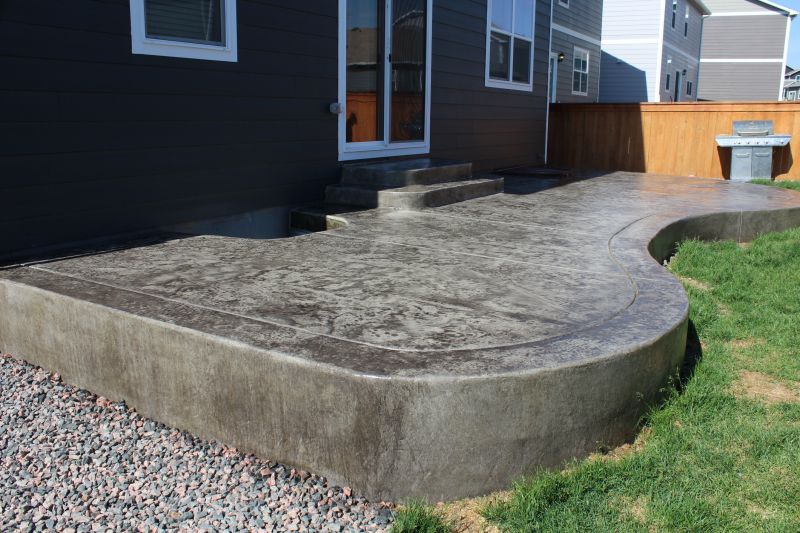
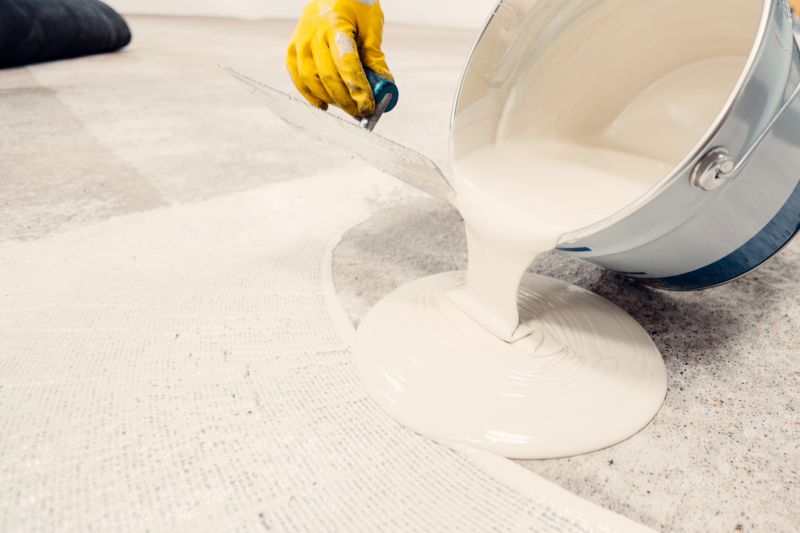
When homeowners search for information about concrete coloring vs. concrete tinting: understanding the differences, they are often trying to determine the best way to enhance the appearance of their concrete surfaces. This topic typically relates to projects involving decorative concrete, whether for driveways, patios, sidewalks, or interior flooring. Many property owners want to add color or visual interest to plain concrete to improve curb appeal or match a specific aesthetic. Understanding these options helps homeowners make informed decisions about how to achieve their desired look and which techniques will best suit their property's style and use.
Problems that lead property owners to explore concrete coloring versus tinting often involve dull or unappealing concrete surfaces that could benefit from a visual upgrade. Homeowners may be planning to resurface or renovate existing concrete or want to prevent future discoloration. Property types that frequently come up include residential homes, commercial storefronts, and public spaces like parks or community centers. These projects often require a durable, attractive finish that can withstand foot or vehicle traffic while providing a consistent, vibrant appearance. Local contractors who specialize in concrete coloring and tinting can help identify the best options for each specific property and project goal.
Concrete coloring and tinting are related but distinct processes, each offering different aesthetic effects and application methods. Concrete coloring typically involves adding pigments or dyes directly into the concrete mix during installation or applying surface stains afterward, resulting in a uniform or variegated color across the surface. Tinting, on the other hand, usually refers to applying a transparent or semi-transparent color overlay on top of existing concrete, allowing the natural texture and pattern to show through. Homeowners should consider their desired look-whether they want a solid, consistent color or a more subtle, layered appearance-when choosing between these techniques. Local service providers can advise on the best approach based on the property’s surface condition and the visual outcome sought.
Understanding the differences between concrete coloring and tinting can help homeowners plan projects that align with their aesthetic goals and property needs. For example, coloring might be preferred for creating bold, vibrant surfaces that stand out, while tinting can be ideal for adding a soft hue that enhances the existing concrete’s natural look. Both methods can be applied to various property types, including residential driveways, patios, commercial walkways, or decorative interior floors. Local pros who specialize in these services have the experience to recommend the right technique and finish for each project, ensuring the final result meets expectations and enhances the property's overall appearance.
Stamped concrete projects - local contractors skilled in decorative concrete techniques can incorporate coloring or tinting to enhance stamped patterns and create custom looks.
Concrete patio installations - service providers experienced in surface finishing often use coloring or tinting to add aesthetic appeal and durability to outdoor spaces.
Garage floor coatings - local pros can apply coloring or tinting to concrete floors to improve appearance and resist wear in high-traffic areas.
Interior concrete flooring - specialists can use coloring or tinting to achieve unique designs and color effects for residential or commercial interiors.
Concrete driveway resurfacing - service providers can incorporate coloring or tinting to restore and customize driveways with vibrant, long-lasting finishes.
Exposed aggregate finishes - local contractors often use coloring or tinting techniques to highlight aggregate details and enhance visual interest in decorative concrete.

When comparing service providers for concrete coloring versus concrete tinting, it’s important to consider their experience with similar projects. Homeowners should inquire about how many times the contractor has performed these specific types of finishes and request examples or references of past work. A contractor with a proven track record in concrete coloring or tinting can better understand the nuances of different techniques and materials, helping to ensure the desired aesthetic outcome. Clear communication about project expectations is also essential; homeowners should seek service providers who are willing to discuss the scope of work, the types of finishes available, and the differences between coloring and tinting to make an informed decision.
Reputable local contractors will be transparent about their process and provide written details outlining what the project will entail. This includes explaining the differences between concrete coloring and tinting, how each method impacts the appearance and durability of the finished surface, and any preparation or maintenance considerations. Having these written expectations helps prevent misunderstandings and ensures that both parties are aligned on the project goals. Homeowners should also look for providers who are responsive to questions and can clearly articulate the pros and cons of each approach, enabling more confident choices based on their specific needs and preferences.
Finally, good communication and references are key indicators of a reliable service provider. Homeowners should seek out local contractors who are open to sharing references or testimonials from previous clients, particularly those who have had similar work completed. This can provide insight into the contractor’s professionalism, reliability, and quality of work. Consistent, clear communication throughout the project is equally important; it helps address any concerns promptly and ensures that the homeowner’s vision for concrete coloring or tinting is accurately realized. Choosing a contractor with a strong reputation and transparent communication can make the process smoother and more satisfying.
Property owners often search for concrete coloring vs. concrete tinting: understanding the differences when they are planning practical projects around their homes and businesses. Local pros provide Concrete Coloring or Concrete Tinting services for everyday jobs and straightforward project options.
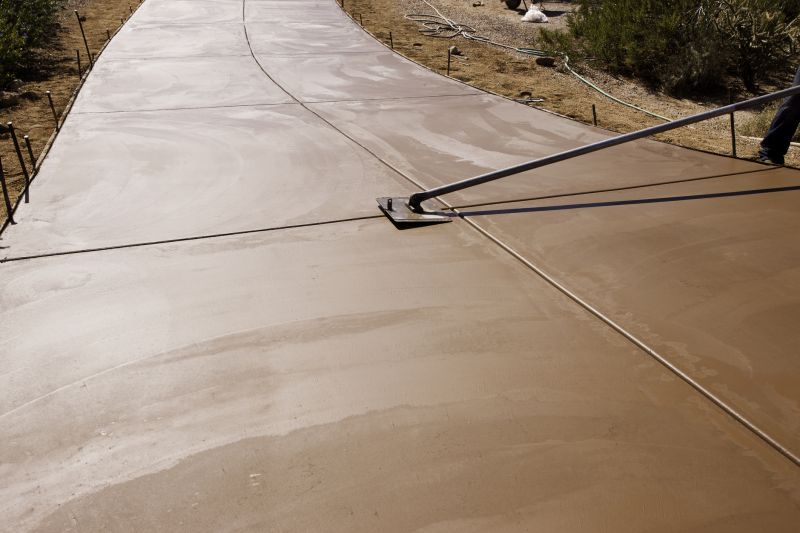
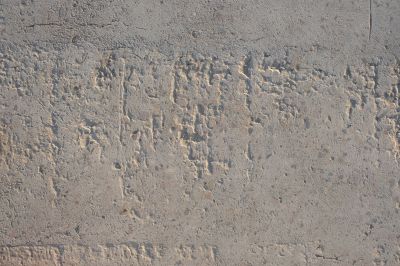
Understanding the differences between concrete coloring and concrete tinting can help property owners make informed choices for enhancing their outdoor surfaces. For those considering a fresh look for driveways, patios, or walkways, local contractors offer a variety of options to achieve the desired aesthetic. Concrete coloring typically involves adding pigments or dyes during the mixing process, resulting in vibrant, long-lasting colors that can transform the appearance of a concrete surface. Meanwhile, concrete tinting often refers to surface-applied stains or dyes that penetrate the concrete, creating a more subtle, variegated effect. Property owners might look into these services to match existing landscaping, improve curb appeal, or simply refresh worn-out concrete.
Many property owners in the area seek out concrete coloring or tinting services to customize their outdoor spaces with minimal disruption. Local service providers can help determine which method best suits the project’s goals, whether aiming for bold, consistent color or a more natural, textured look. These solutions are popular for adding style to patios, pool decks, or decorative accents around the property. By exploring options for concrete coloring vs. concrete tinting, property owners can find the right approach to enhance their surfaces and achieve the desired visual impact, all with the expertise of local contractors experienced in these techniques.
What is the main difference between concrete coloring and concrete tinting? Concrete coloring typically involves adding pigments to the surface or throughout the concrete to achieve a specific color, while concrete tinting uses liquid dyes or stains applied to the surface to create a translucent, variegated appearance. Local contractors can help determine which method best suits a project's aesthetic goals.
Which method is more durable: concrete coloring or concrete tinting? Generally, concrete coloring, especially integral coloring, offers long-lasting color throughout the concrete, whereas concrete tinting or staining may fade over time and might require sealing to maintain vibrancy. Local service providers can advise on durability based on the chosen technique.
Can concrete tinting be used to achieve a specific color or effect? Yes, concrete tinting allows for a wide range of colors and can produce unique, variegated effects that mimic natural stone or other textures. Local pros can customize the appearance to match specific design preferences.
Is concrete coloring or tinting easier to maintain over time? Concrete coloring, especially integral coloring, tends to require less maintenance, while concrete tinting or staining may need periodic sealing to preserve color and prevent wear. Local contractors can recommend maintenance practices for each method.
Are concrete coloring and tinting suitable for all types of concrete surfaces? Both methods are versatile and can be applied to various concrete surfaces, but suitability depends on the existing condition and desired outcome. Consulting with local pros ensures the best approach for each specific project.
Choosing the right finish - Property owners can work with local contractors to select between concrete coloring and tinting based on the desired aesthetic and durability for patios or driveways.
Design customization options - Homeowners interested in unique patterns or color effects can explore how local pros apply concrete coloring techniques to personalize indoor or outdoor spaces.
Surface preparation considerations - Property owners planning a concrete project can consult local service providers on proper surface prep to ensure the coloring or tinting process adheres evenly.
Long-term appearance maintenance - Those looking to preserve their concrete’s look over time can discuss with local contractors the best practices for maintaining or touch-up coloring and tinting finishes.
If you are thinking about concrete coloring vs. concrete tinting: understanding the differences for a property, this guide is meant to help you understand this topic, the typical project types, and how different options might fit your plans.
When you are ready, you can use the quote form on this page to share a few details about your project. From there, local pros can review the basics and follow up with options that match what you have in mind.